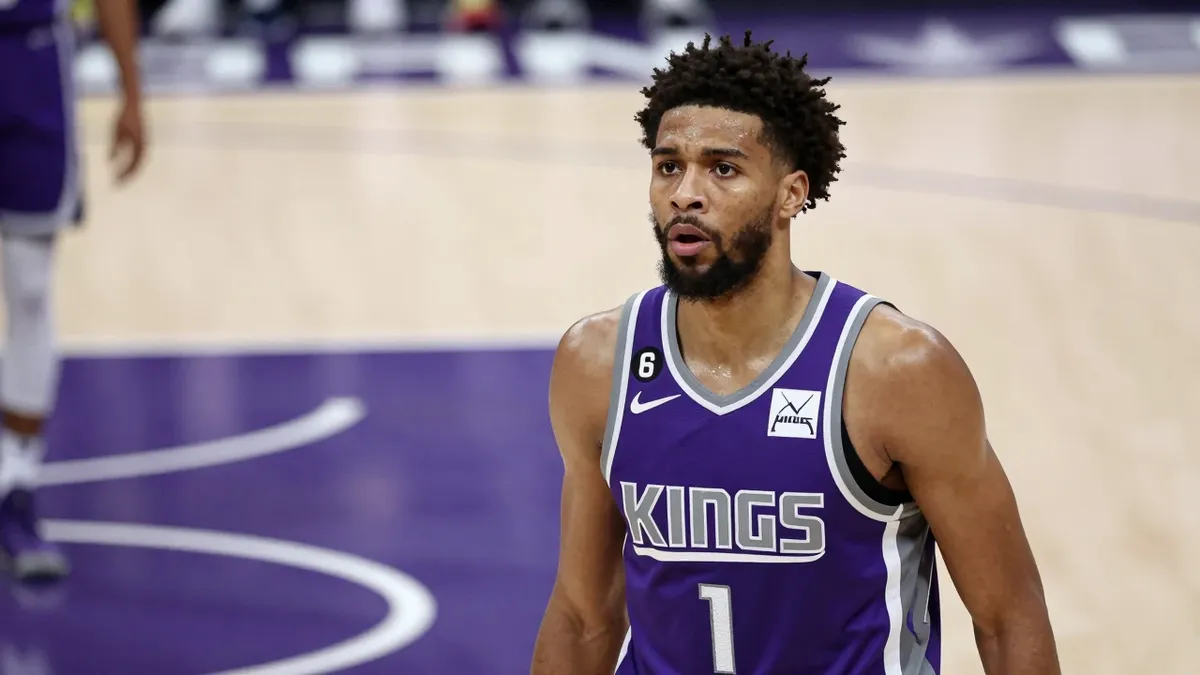
The Sacramento Kings face significant financial challenges with several onerous contracts as they prepare for the 2026-27 NBA season. Analyst Logan Struck recently ranked the five worst deals currently on the Kings' books, identifying players whose production may not match their salary cap hit.
Which contracts are hurting the Sacramento Kings most?
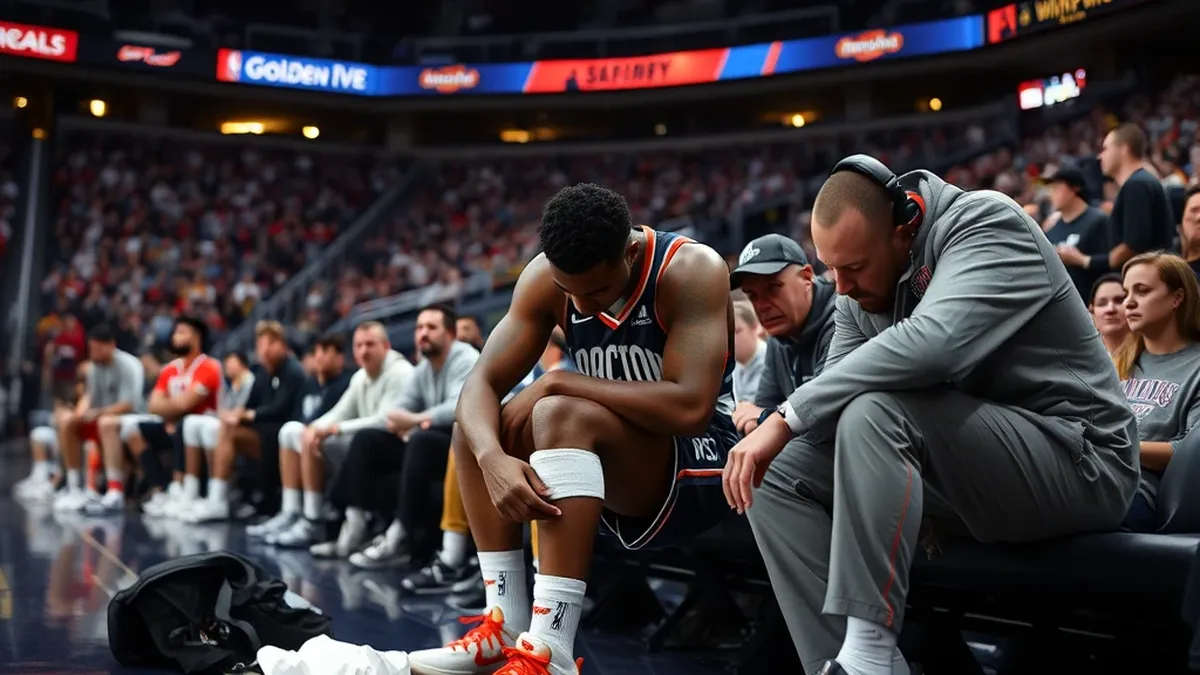
De'Andre Hunter tops the list of concerning deals. The 28-year-old forward is entering the final year of a contract worth $24.91 million. Hunter played only two games for Sacramento last season after a trade from Cleveland, with his year ending early due to an eye injury. Before the move, he averaged 14.0 points, 4.2 rebounds, and 2.1 assists in 43 games for the Cavaliers, shooting 42.3% from the field and 30.8% from three-point range.
While his expiring contract could be a trade asset by the February deadline, it's a lot of money for a player who might be better suited for a bench role. The Kings are expected to start him this season, but they'll likely explore trade options to free up cap space. You can track the team's roster moves and salary commitments on our roster page.
Why is the Kings' offseason considered quiet?
The Kings haven't made dramatic changes to their roster or payroll this summer. Their busiest period was draft night, where they added Darius Acuff Jr., Alex Karaban, and Emanuel Sharp. They also waived DeMar DeRozan, traded Devin Carter, re-signed Precious Achiuwa, and converted Daeqwon Plowden to a standard NBA contract.
These moves position the team for a rebuild, but the financial landscape remains cluttered. The front office has work to do to create flexibility for future signings or trades.
What other players have problematic deals?
Several other contracts weigh down the Kings' salary cap. While the full list from Struck's analysis details five players, Hunter's situation is particularly notable due to its size and his limited time with the team. The evaluation considers both current production and future fit within the team's scheme.
Financial mismatches can cripple a team's ability to build a contender. For a franchise looking to climb the Western Conference standings, managing the cap is as important as drafting well. The Kings' performance data is available on our stats page for deeper analysis.
How can the Kings improve their financial flexibility?
Trading expiring contracts like Hunter's before the deadline is one clear path. Another is hoping younger players on cheaper deals develop rapidly to outperform their contracts. The Kings' offseason activity suggests a focus on the draft and internal development rather than big free-agent splashes.
It's a patient strategy that requires shrewd asset management. The front office must decide if these 'worst' contracts are simply bad value or true obstacles to progress. Their decisions will shape the team's trajectory for the next several seasons. Fans can follow the team's upcoming schedule and see how the roster performs on our schedule page.